When a brand starts getting serious about selling on Amazon, one of the first questions that comes up is whether they should get brand registered.
Spoiler: it’s usually easier and cheaper than people expect—but it also doesn’t deliver some of the benefits many brands assume it will.
Brand Registry is one of the most misunderstood Amazon programs. Some brands delay it because they think it’s expensive or complicated. Others rush into it expecting it to block all other sellers.
Below, I’ll walk through what Amazon Brand Registry actually does, what it doesn’t do, and when it makes sense to get it set up.
The video above shows examples visually, but this article covers the full breakdown.
What Amazon Brand Registry Is
At a basic level, Amazon Brand Registry is the process of proving to Amazon that you are the actual brand owner—not just a seller who bought some inventory and decided to list it.
Amazon was originally built for sellers and distributors. Anyone with inventory could list products, even if the brand itself wasn’t selling on Amazon.
Brand Registry was Amazon’s way of giving brand owners additional control, data, and tools beyond what a standard seller account gets.
Is Brand Registry Required?
No. Brand Registry is not required to sell on Amazon.
If your listings already exist, you can usually just list under them.
If your listings don’t exist yet, Amazon has a simpler process often called catalog authorization or brand approval. This allows you to create listings under your brand name without being brand registered.
Catalog authorization usually just requires clear photos of your product or packaging showing your brand name.
Brand Registry unlocks additional tools and benefits. Catalog authorization simply allows listing creation.
What Brand Registry Does Not Do
It Does Not Remove Other Sellers From Your Listings
This is the biggest misconception.
Brand Registry does not stop other sellers from selling your genuine products on Amazon.
If another seller obtained your product legitimately, Amazon allows them to sell it—even if you don’t want them to.
Blocking other sellers entirely is called brand gating. That is a separate program, it’s very rare, and it’s not available to most brands.
It Does Not Turn Every Annoying Situation Into a Violation
Brand Registry only works for true intellectual property violations.
- Another seller selling your real product: not a violation
- A knockoff sold under a different brand: usually not a violation unless there’s patent infringement
- Someone pretending to be your brand or misusing your trademark: a violation
For example, a phone case can say “compatible with iPhone,” but it cannot be listed under Apple’s brand name.
True IP violations are relatively rare for small brands. Most frustration comes from resellers—not counterfeiters.
You Can Still Report Violations Without Brand Registry
Amazon provides a public infringement form at amazon.com/report/infringement.
Brand Registry mainly provides a cleaner dashboard, faster handling, and better tracking—especially helpful for larger brands dealing with volume.
What Brand Registry Does Do
Referral Fee Rebate for New Brands
If you are a new seller and enroll in Brand Registry within your first three months, Amazon offers a referral fee rebate:
- 10% back on your first $50,000 in sales
- 5% back on sales up to $1,000,000
This ends after one year or once you hit $1M in sales—whichever comes first.
For many brands, this rebate alone offsets the cost of getting a trademark.
For more details on this rebate, see Amazon's official page with details here.
More Control Over Your Listings
Without Brand Registry, Amazon’s system pulls content from multiple sellers and decides what to display.
With Brand Registry, Amazon treats you as the authoritative source. Your titles, images, and descriptions are far more likely to stick.
It’s not perfect, but it significantly reduces listing chaos.
Extra Tools and Marketing Features
- A+ Content
- Brand Analytics (search terms, comparisons, repeat purchase data)
- Amazon Vine (up to 30 reviews)
- Sponsored Brand ads and Sponsored Brand video ads
- Brand Stores (a mini website inside Amazon)
- Creator Connections
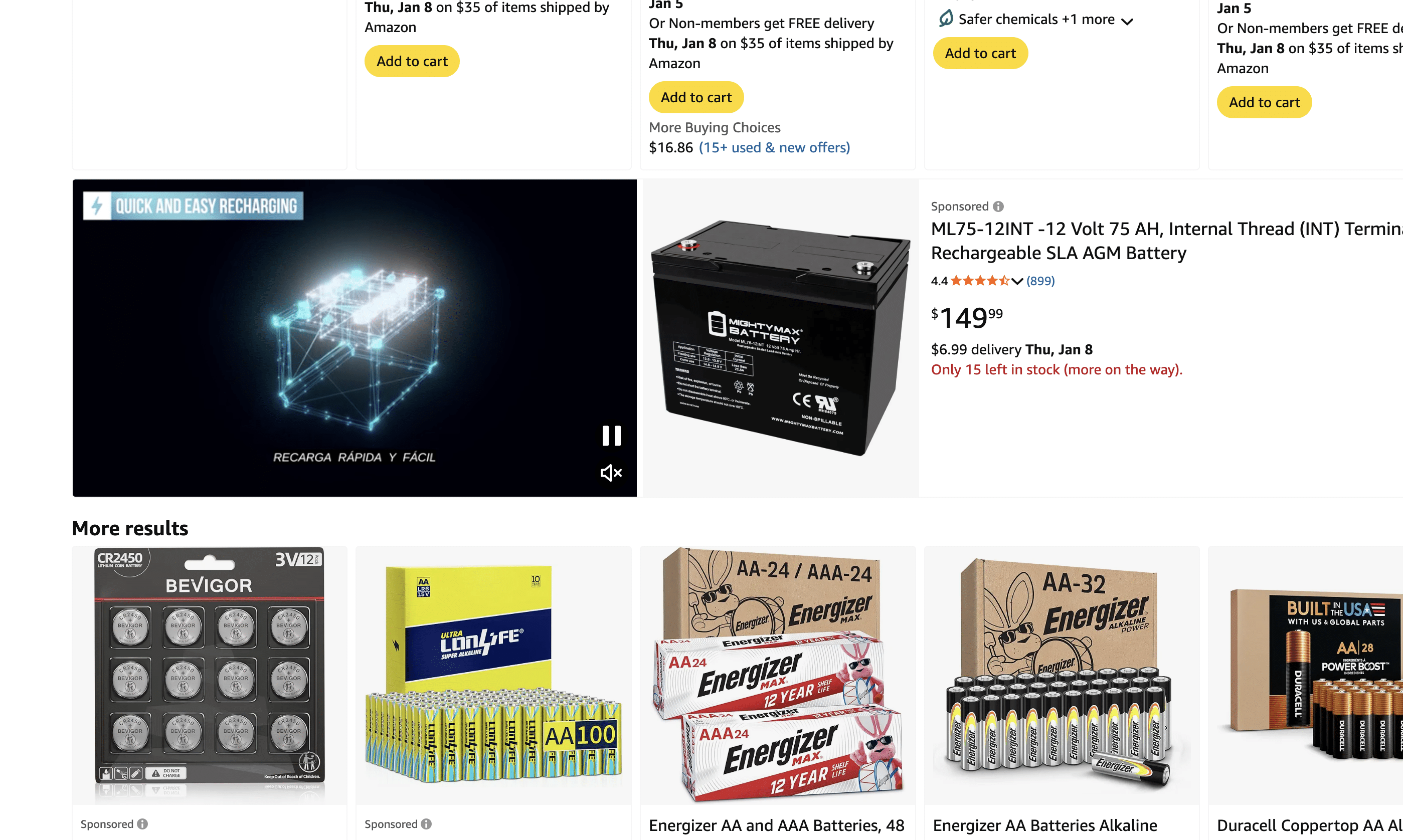
Image above: Example of a sponsored brand video ad, only available to brand registered sellers.
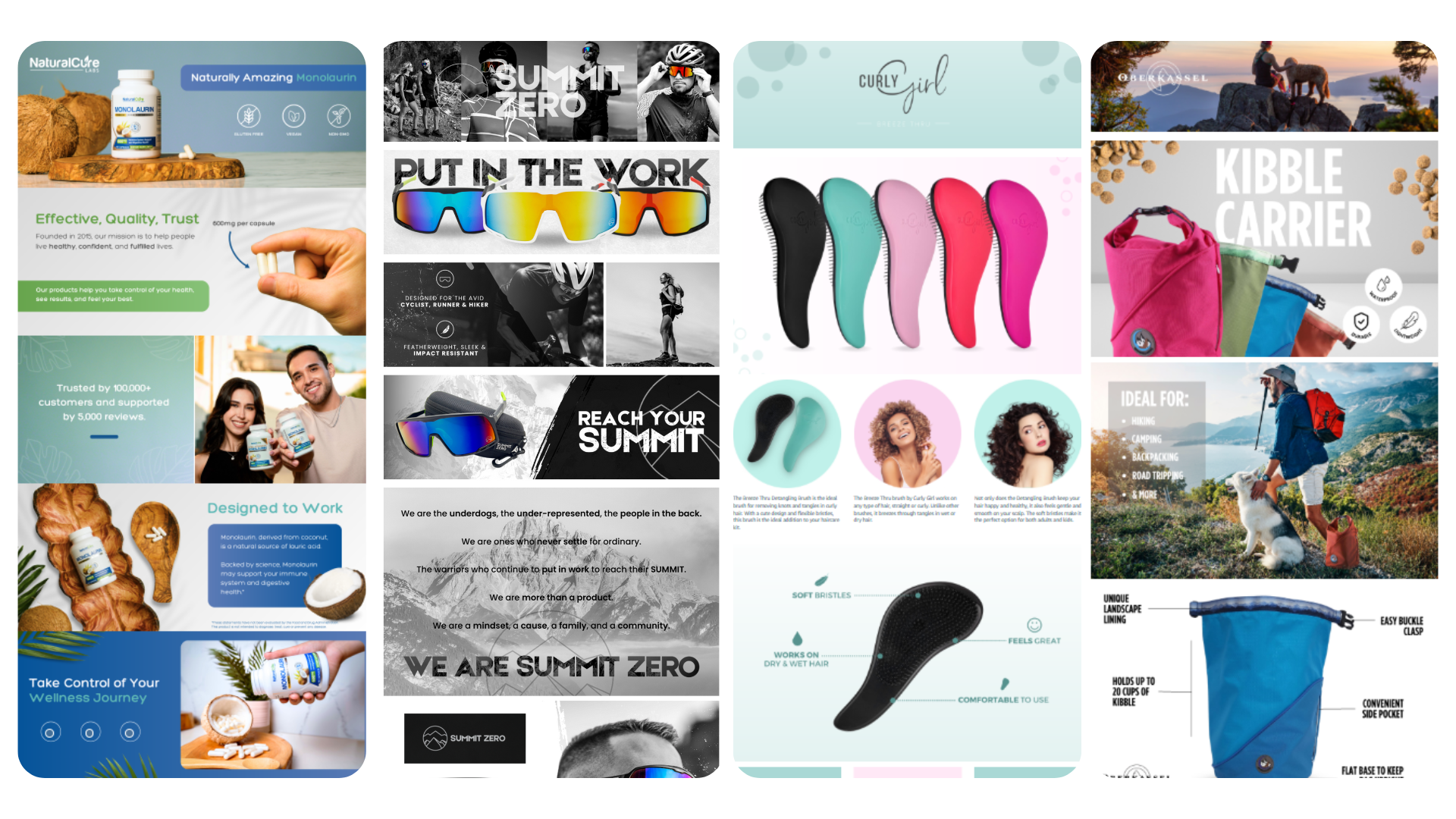
Image above: Four examples of A+ Content that brand registered sellers can add below the listing (See more A+ content examples).
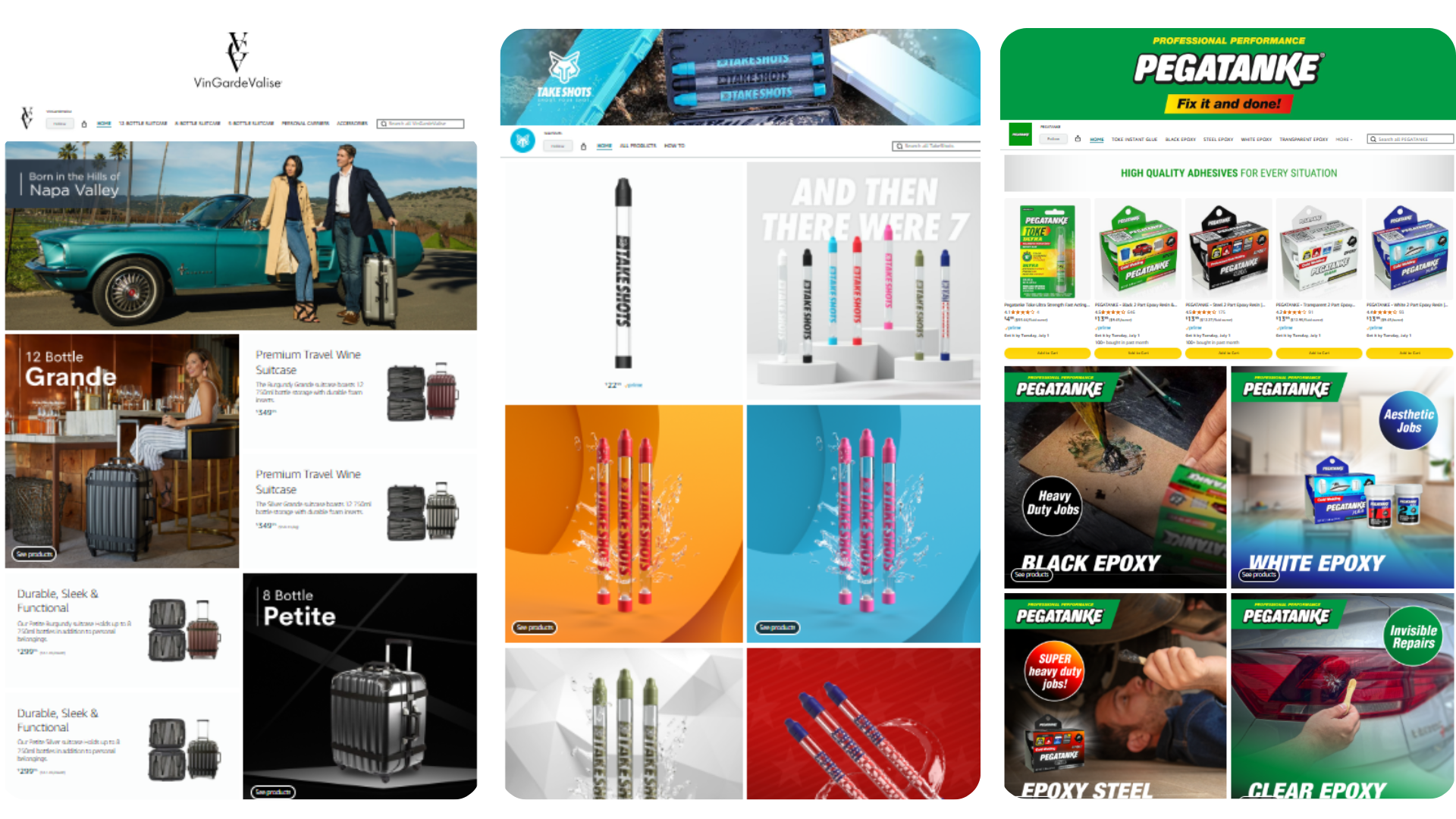
Three examples of brand stores, which act like a mini website inside Amazon for your brand (see examples of great brand stores).
Important Update (Spring 2026): UPC Codes and FBA Labeling
This is a major upcoming change that brands should plan for.
Starting March 31st of 2026, Amazon plans to require Brand Registry in order to use manufacturer UPC barcodes when selling via FBA.
If you are not brand registered, you will need to apply Amazon barcodes (FNSKUs) to every unit you send into FBA (this has no effect on brands selling FBM).
Brand registered sellers will still be allowed to use UPCs without relabeling.
This has real operational implications:
- Amazon barcode labeling adds prep time and cost
- It increases the risk of inbound errors
- It limits flexibility when using 3PLs or multiple prep locations
For brands sending meaningful FBA volume, avoiding mandatory FNSKU labeling can save time, money, and operational headaches.
This is a big change that moves the needle to "we must be brand registered" for most product brands.
When You Shouldn’t Get Brand Registered
- If you’re selling someone else’s product and aren’t their designated Amazon seller
- If you don’t have a relationship with the brand owner
- If you’re just testing a product or need to go live immediately
You can often list products first using catalog authorization and handle Brand Registry later.
How Brand Registry Actually Works
The biggest misunderstanding is around trademarks.
You do not need to wait 12–18 months for a trademark to be fully approved.
Once your trademark is filed and assigned a serial number, you can apply for Brand Registry.
- Trademark filing → usually a few weeks to get a serial number
- Brand Registry approval → typically around two weeks
You do not need to use Amazon’s IP Accelerator program. It no longer speeds things up and is often slower and more expensive.
You’ll need:
- A trademark serial number
- Product or packaging with the brand name clearly printed
While your application is processing, you can still list and sell products using catalog authorization.
Just make sure the brand name on your listings exactly matches the trademark you’re filing for.
FAQ
Do I need Brand Registry to create listings under my brand name?
No. You can usually use catalog authorization to create listings without Brand Registry.
Does Brand Registry stop other sellers from selling my products?
No. Other sellers can still sell your genuine products if they obtained them legitimately.
Is Brand Registry required to use UPC codes?
Not today, but starting in spring of 2026, Brand Registry will be required to use UPCs for FBA. Otherwise, Amazon barcodes will be mandatory.
Do I need to wait for my trademark to be fully approved?
No. You can apply for Brand Registry once your trademark is filed and assigned a serial number.
Is Brand Registry worth it for most product brands?
In most cases, yes—especially when you factor in the referral fee rebate, extra tools, and upcoming FBA labeling changes.
Final Thoughts
Brand Registry won’t solve every Amazon problem—but for most established product brands, it’s one of the first foundational steps that makes sense.
The tools, data access, referral fee rebate, and upcoming FBA labeling requirements make it increasingly hard to ignore.
If you want a walkthrough, the video above shows examples of A+ Content, ads, and brand stores.
If you’ve got a quick question, you can leave a comment on the video.
If your situation is more complex and you want help getting this set up correctly, reach out to us at customerservice@fivestarcommerce.com or use the “Schedule info call” button on our website.